Black Cherry is a Virginia native local-ecotype tree that typically reaches 50–80 ft and blooms in mid spring and late spring with white flowers. It offers exceptional pollinator value, food or habitat for birds, and important larval-host relationships.
Garden Goal: Support Pollinators
-
Black Chokeberry
Black Chokeberry is a Virginia native shrub that typically reaches 3–6 ft and blooms in mid spring and late spring with white flowers. It offers valuable nectar and pollen, food or habitat for birds, and important larval-host relationships.
-
Black Walnut
Black Walnut is a Virginia native local-ecotype tree that typically reaches 50–75 ft and blooms in mid spring and late spring with inconspicuous flowers. It offers valuable nectar and pollen, food or habitat for birds, and important larval-host relationships.
-
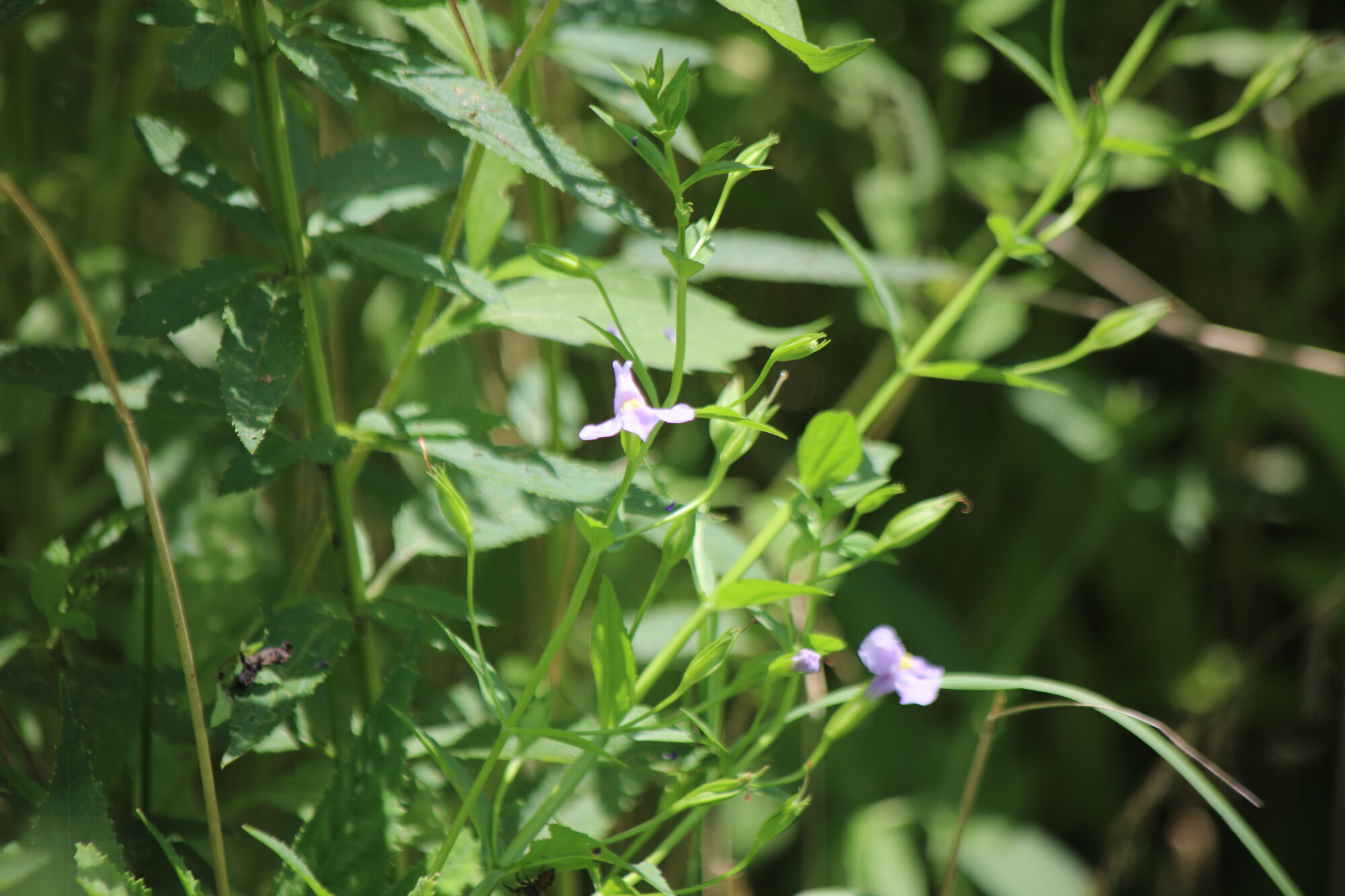
Allegheny Monkeyflower
Allegheny Monkeyflower is a Virginia native local-ecotype wildflower that typically reaches 1–3 ft and blooms in early summer, mid summer, late summer, and fall with purple flowers. It offers valuable nectar and pollen and important larval-host relationships.
-
American Beautyberry
American Beautyberry is a Virginia native shrub that typically reaches 3–6 ft and blooms in late spring, early summer, mid summer, and late summer with pink/lavender flowers. It offers valuable nectar and pollen, food or habitat for birds, and important larval-host relationships.
-
American Persimmon
American Persimmon is a Virginia native local-ecotype tree that typically reaches 35–60 ft and blooms in late spring with greenish-white flowers. It offers valuable nectar and pollen, food or habitat for birds, and important larval-host relationships.
-
American Sycamore
American Sycamore is a Virginia native local-ecotype tree that typically reaches 75–100+ ft and blooms in mid spring and late spring with inconspicuous flowers. It offers valuable nectar and pollen, food or habitat for birds, and important larval-host relationships.