One of the questions we get asked most often is, “What do you mean by a straight species or a local ecotype?”
The short answer is that these plants are as close to nature’s original design as possible.
Over thousands of years, our native plants and wildlife have evolved together. The shape of a flower, the timing of its blooms, the chemistry of its leaves, and even the size of the plant all play a role in supporting the insects, birds, and other wildlife that depend on it.
When plants are bred to create cultivars, sometimes called “nativars,” they may have brighter colors, double blooms, shorter stems, or a more compact shape. Many are still valuable garden plants, but those changes can also make flowers less accessible to pollinators or alter some of the relationships that local wildlife has developed with the original species.
Local ecotypes take that idea one step further. These are plants whose genetics come from our region and have adapted to Virginia’s climate over countless generations.
That means they bloom when our pollinators expect them to bloom. They are adapted to our soils, our rainfall, and our seasons. Even small differences matter. For example, Blue Mistflower grown from Virginia seed typically blooms earlier than plants from much farther south, providing nectar right when many of our late-season pollinators need it most.
Does that mean every native plant has to be a local ecotype? Not at all.
Every native plant is a step in the right direction, and planting any straight species is something worth celebrating.
But when you have the opportunity to choose a locally sourced, straight species, you’re giving nature the best chance to continue the relationships it has been building for thousands of years.
Nature has already done the hard work. Sometimes the best thing we can do is simply trust its design.
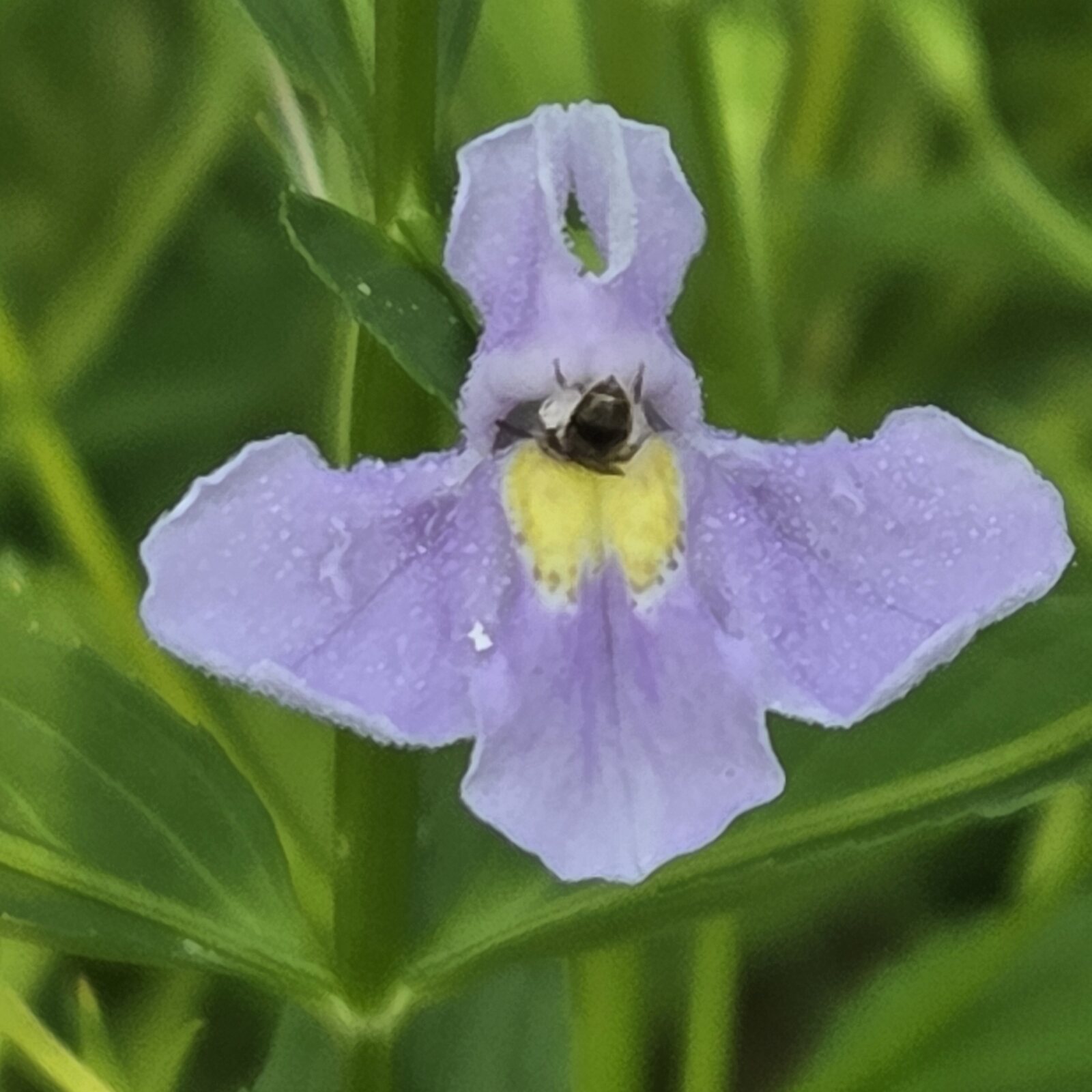
(Bristle Sweat Bee on local ecotype Allegheny Monkey Flower)