Swamp Aster is a Virginia native local-ecotype wildflower that typically reaches 3–8 ft and blooms in late summer and fall with lavender to blue-violet flowers. It offers exceptional pollinator value, food or habitat for birds, and important larval-host relationships.
Plant Type: Wildflower
-
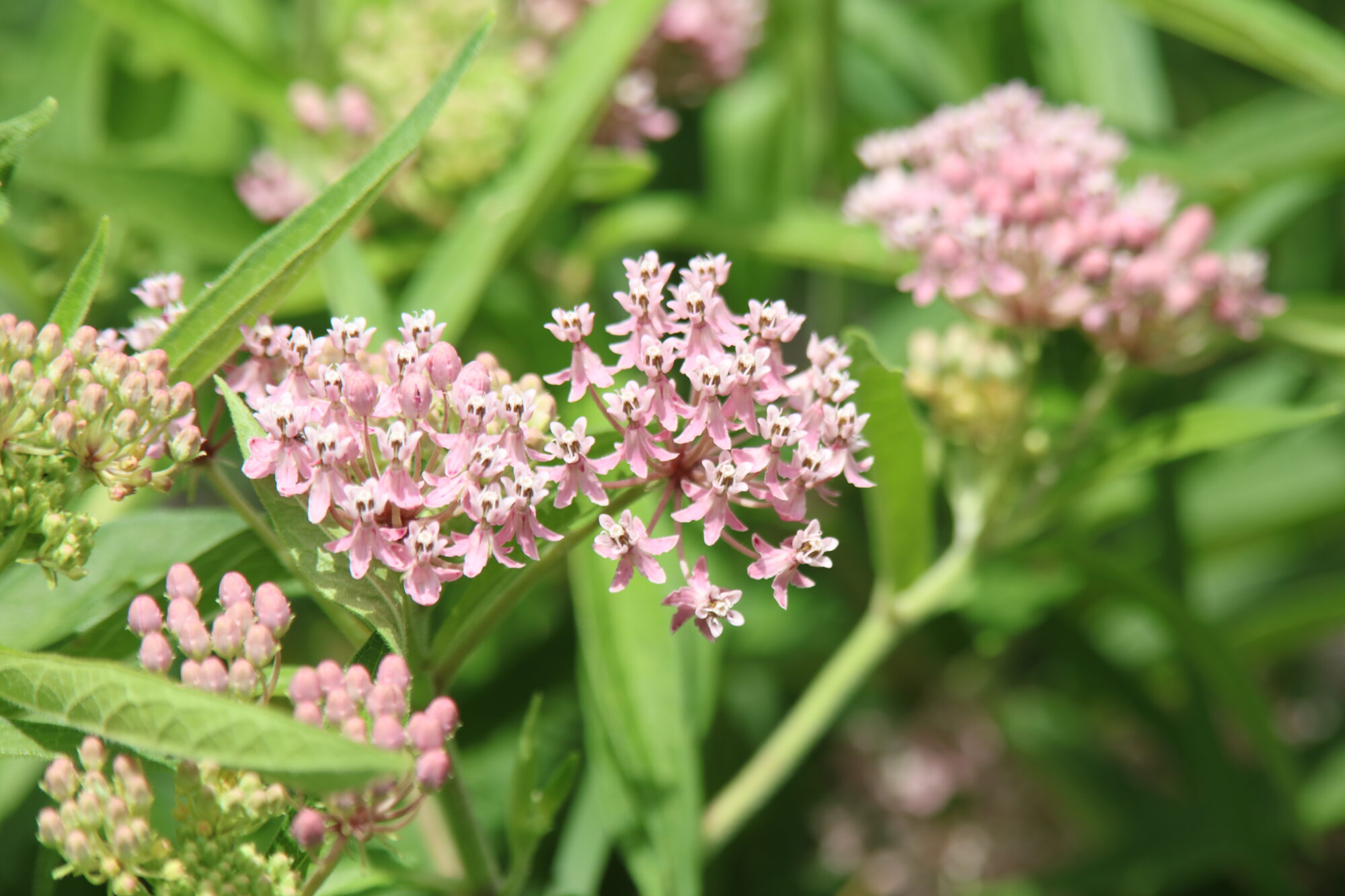
Swamp Milkweed
Swamp Milkweed is a Virginia native local-ecotype wildflower that typically reaches 3–5 ft and blooms in early summer, mid summer, late summer, and fall with pink/purple flowers. It offers exceptional pollinator value, food or habitat for birds, and important larval-host relationships.
-
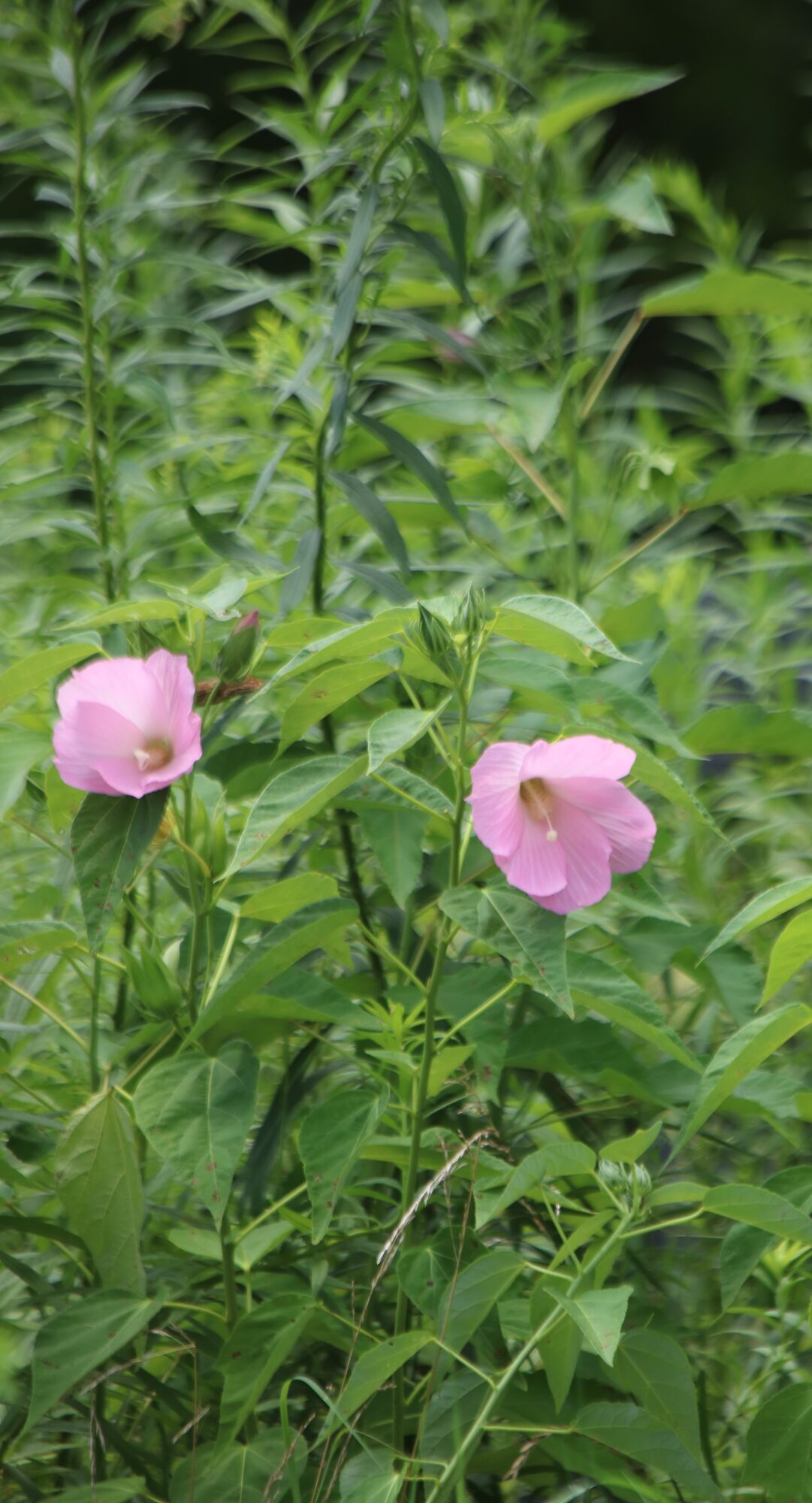
Swamp Rose Mallow
Swamp Rose Mallow is a Virginia native wildflower that typically reaches 3–5 ft and blooms in early summer, mid summer, late summer, and fall with white or pink flowers. It offers valuable nectar and pollen, food or habitat for birds, and important larval-host relationships.
-
Virginia Anemone
Virginia Anemone is a Virginia native wildflower that typically reaches 2–3 ft and blooms in late spring and mid summer with green/white flowers. It offers valuable nectar and pollen and important larval-host relationships.
-
Virginia Meadow Beauty
Virginia Meadow Beauty is a Virginia native local-ecotype wildflower that typically reaches 1–2 ft and blooms in late summer and fall with bright pink/rose flowers. It offers valuable nectar and pollen and important larval-host relationships.
-
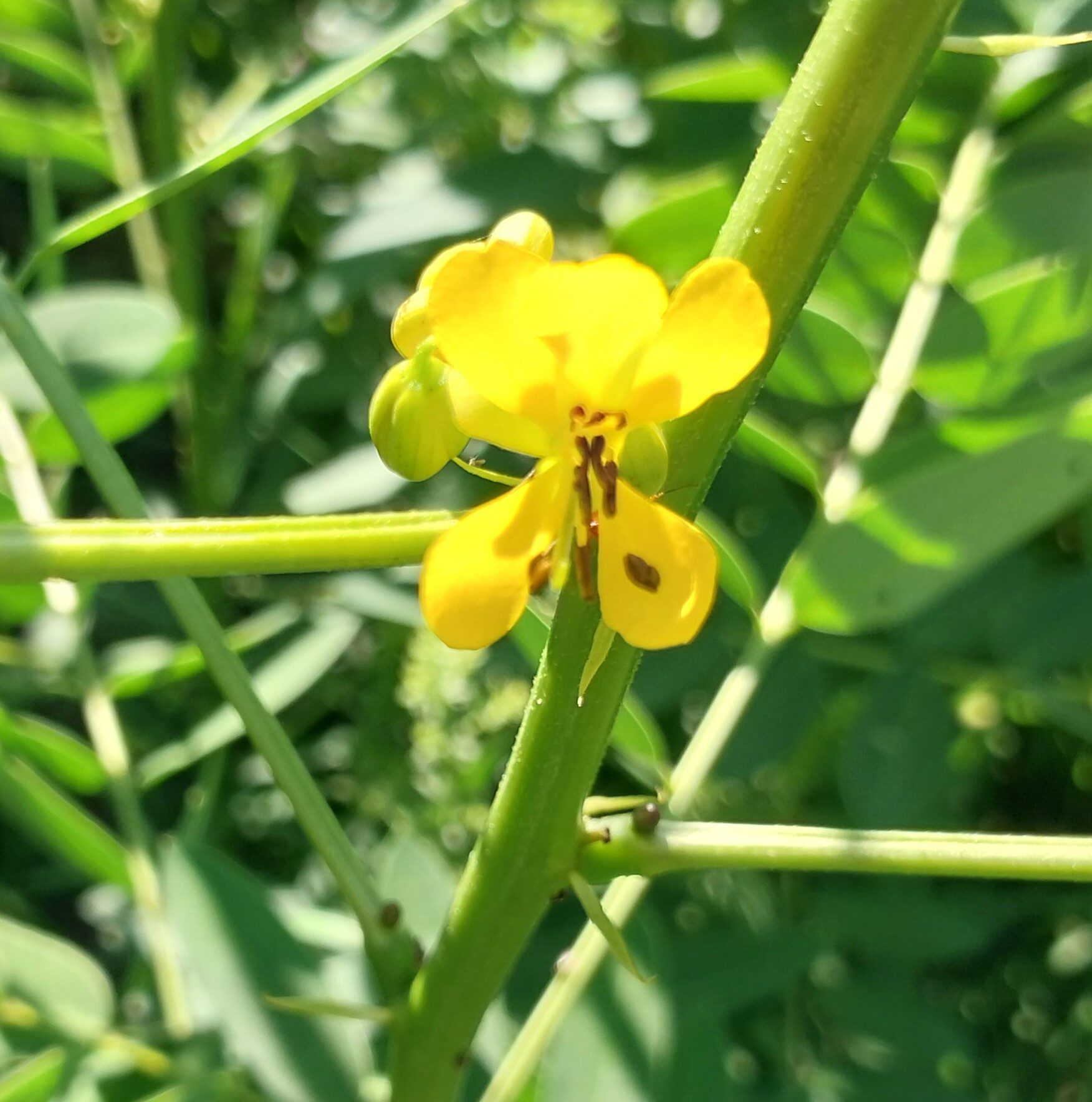
Partridge Pea
Partridge Pea is a Virginia native local-ecotype wildflower that typically reaches 1–3 ft and blooms in mid summer and fall with yellow flowers. It offers exceptional pollinator value, food or habitat for birds, and important larval-host relationships.
-
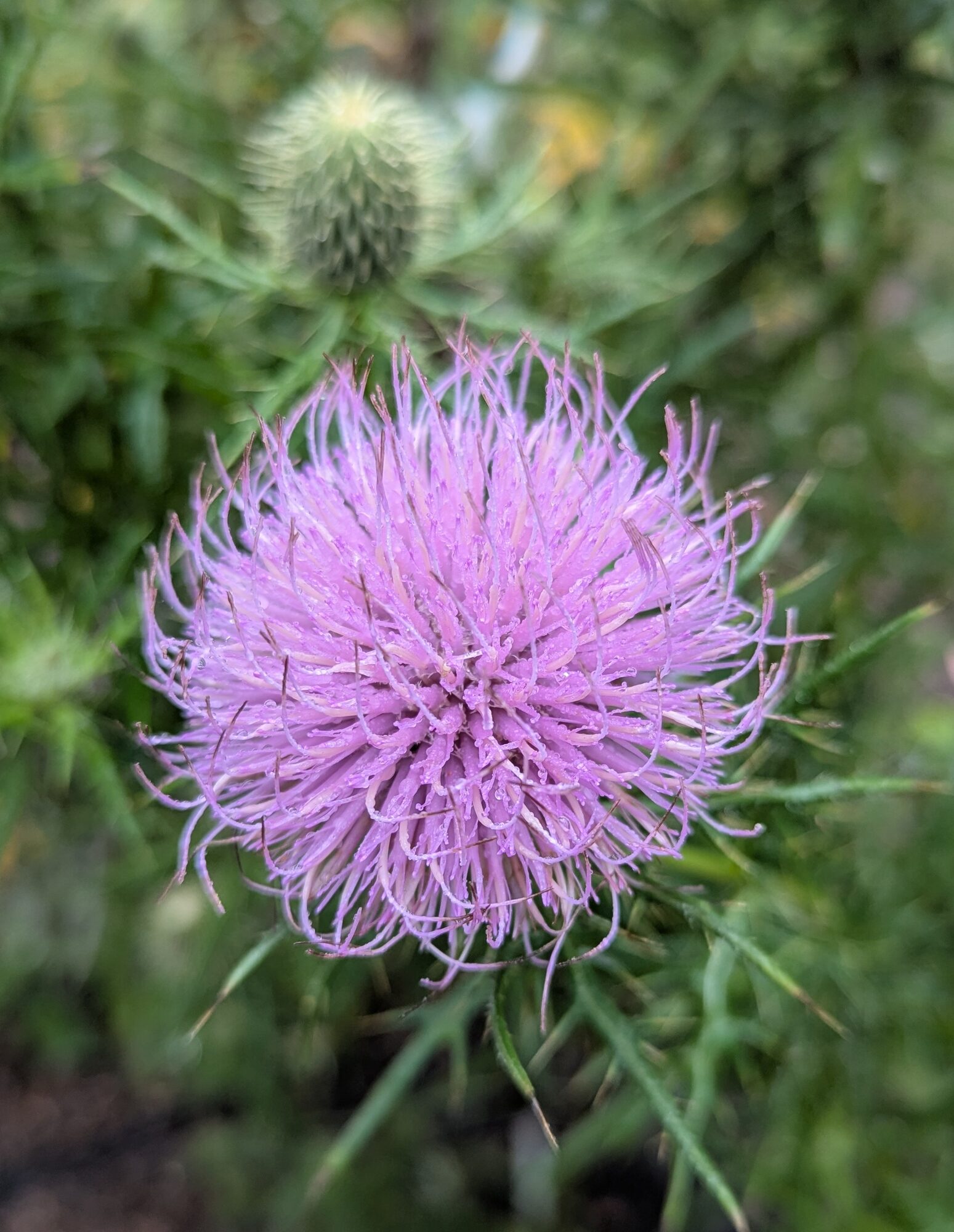
Pasture Thistle
Pasture Thistle is a Virginia native local-ecotype wildflower that typically reaches 4–6 ft and blooms in early summer, mid summer, late summer, and fall with lilac/purple flowers. It offers exceptional pollinator value, food or habitat for birds, and important larval-host relationships.
-
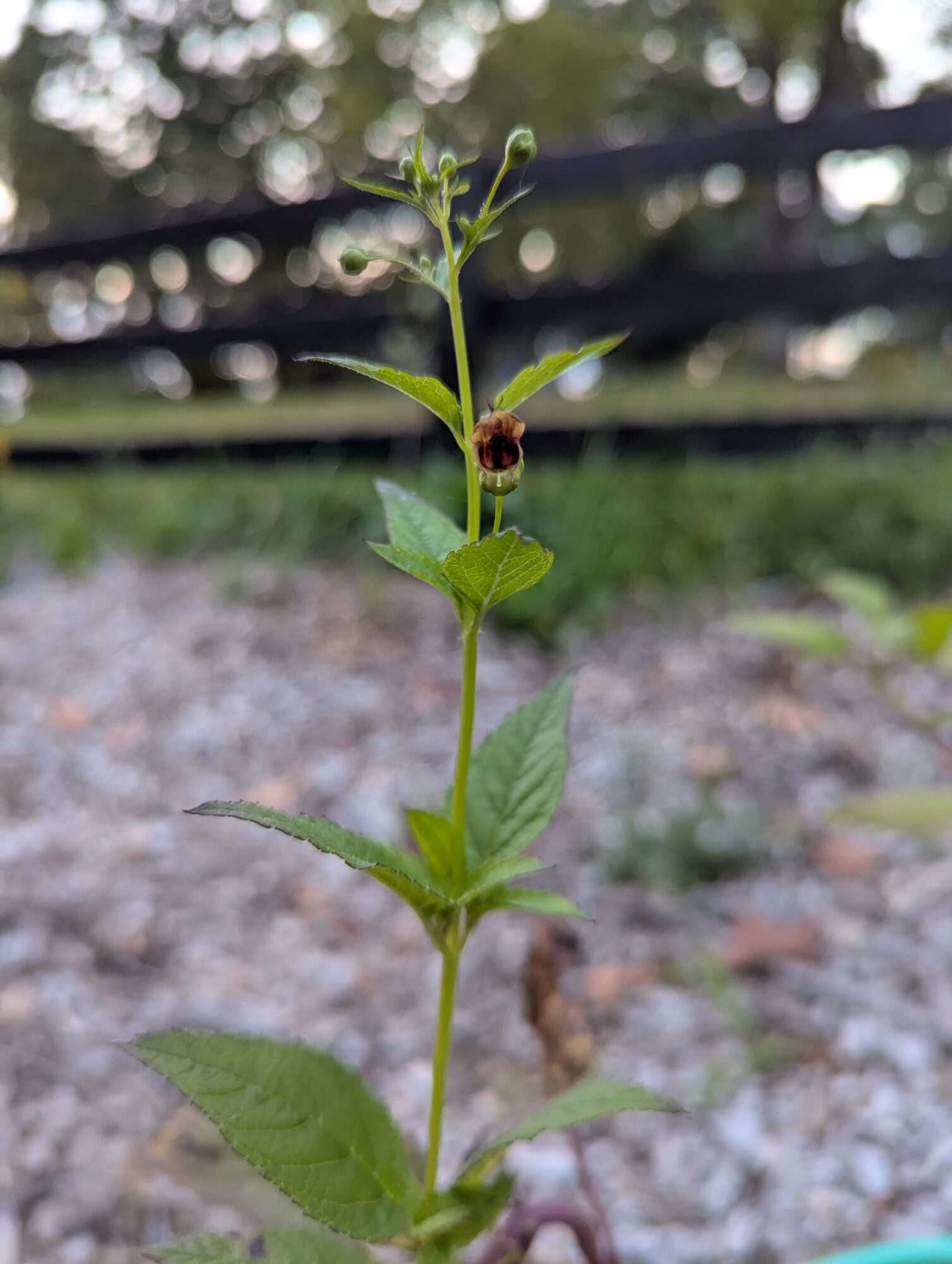
Maryland Figwort
Maryland Figwort is a Virginia native local-ecotype wildflower that typically reaches 4–7 ft and blooms in early summer and fall with green/maroon flowers. It offers exceptional pollinator value and important larval-host relationships.
-
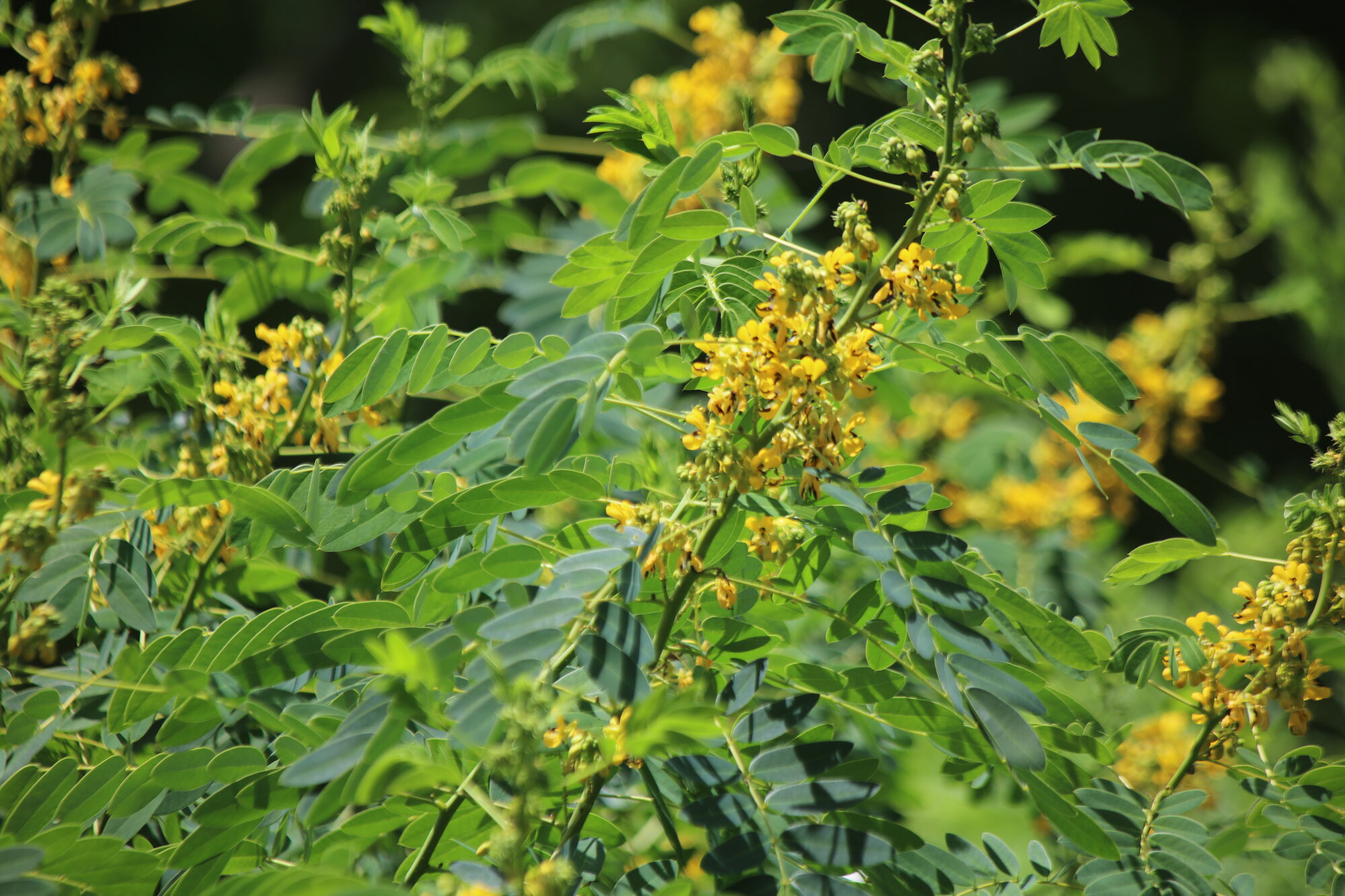
Maryland Senna
Maryland Senna is a Virginia native local-ecotype wildflower that typically reaches 3–4 ft and blooms in early summer, mid summer, late summer, and fall with yellow flowers. It offers valuable nectar and pollen, food or habitat for birds, and important larval-host relationships.
-
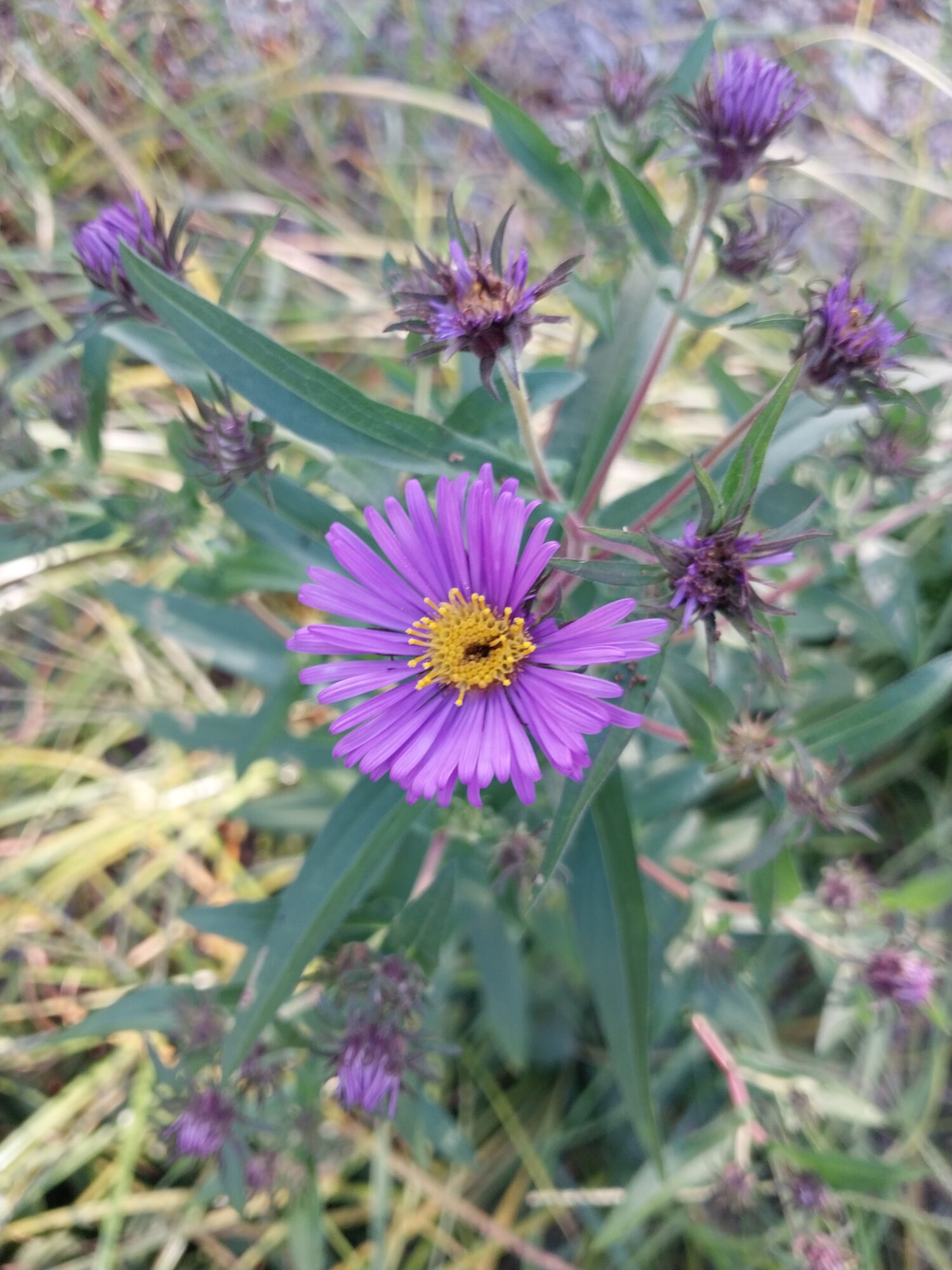
New England Aster
New England Aster is a Virginia native wildflower that typically reaches 3–6 ft and blooms in late summer and fall with pink/purple/blue flowers. It offers exceptional pollinator value, food or habitat for birds, and important larval-host relationships.